
Imigongo: The Story Behind Rwanda’s Swirling Cow-Dung Art
By: Chimdindu Ken-Anaukwu
In the heart of Eastern Rwanda, where the sun bakes the red earth and cows graze lazily across the hills, Rwandans have turned something ordinary, even undesirable, into beauty.
They call it Imigongo: the ancient art of painting with cow dung.
Yes, cow dung. But before you wrinkle your nose, know this: Imigongo isn’t just art. It’s Rwanda’s story of rebirth, patience, and beauty rising from the earth itself. Once lost to time and tragedy, it has returned as a proud emblem of creativity, especially among Rwandan women.
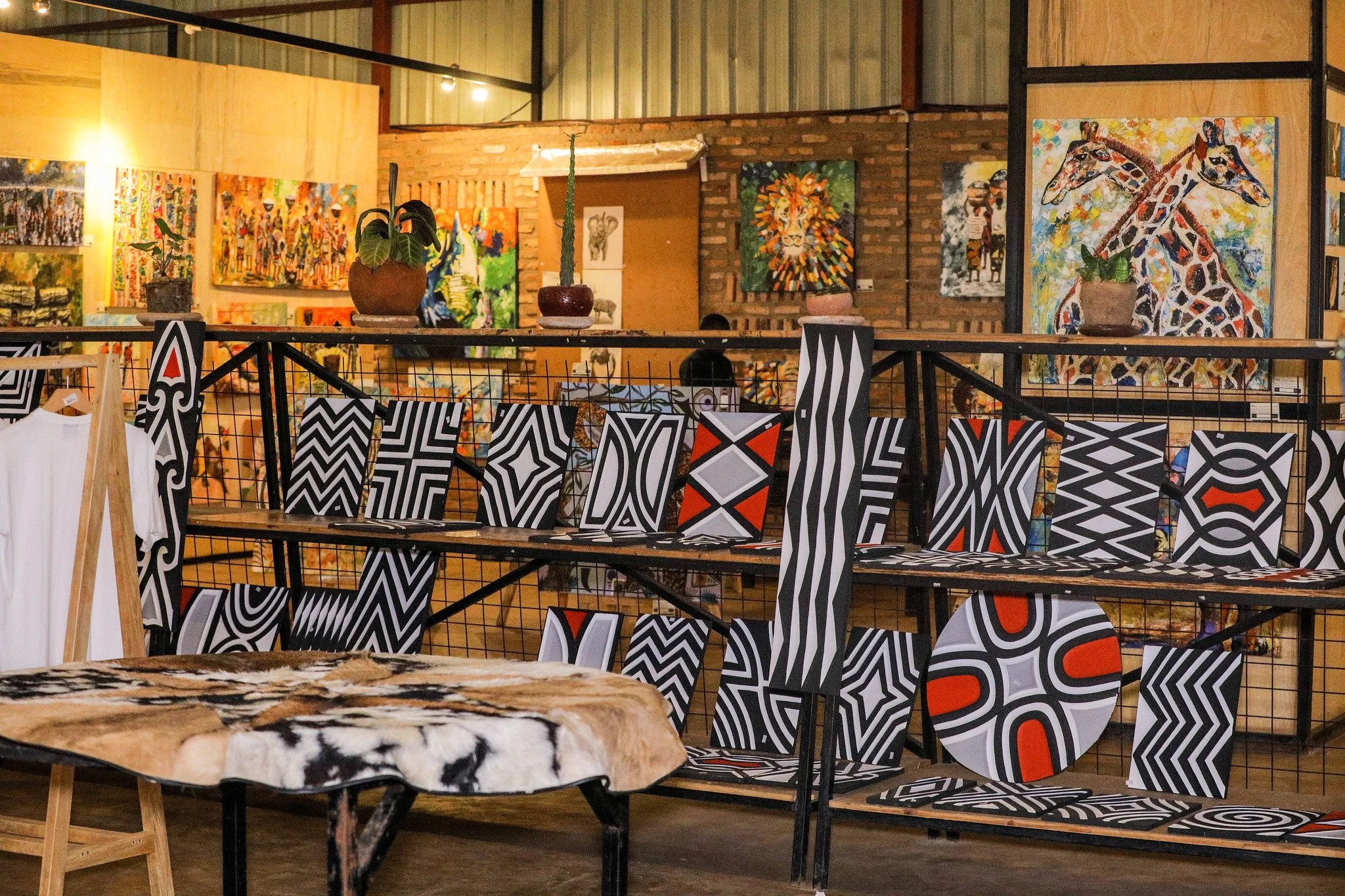
The Birth of Imigongo: A Prince’s Experiment
Legend traces Imigongo back to the 18th century in the Kibungo region, near the present-day district of Kayonza.
It’s said that Prince Kakira, son of a local king, began decorating his house with cow dung mixed with ash, shaping it into spirals and triangles. His innovation caught on quickly. Soon, Rwandans across the region were adorning their homes with the same swirling geometric patterns that became known as Imigongo.
Originally, these designs were applied directly to the mud walls of houses, both as decoration and as a sign of cleanliness and pride.
What began as royal creativity became a cultural language of beauty.
From Cow Dung to Canvas: The Artistic Process
The process of making Imigongo is as symbolic as it is practical:
Collecting and cleaning the cow dung – Fresh dung from healthy cows is mixed with ash to neutralize odor and harden texture.
Sculpting – Artists use fingers or sticks to raise patterns: spirals, zigzags, and triangles onto wooden boards.
Drying – The relief is left to dry under the sun, sometimes for days.
Painting – Natural pigments (black, white, red, grey, ochre) are applied, often using crushed rock or clay.
Each stage reflects patience, respect for nature, and transformation – values deeply rooted in Rwandan culture.
💡 Fun fact: The circular swirl pattern is the most iconic, representing life, continuity, and harmony in Rwandan cosmology.

Women of Nyakarambi: Keepers of the Tradition
After the 1994 genocide, Imigongo nearly vanished. Many artisans were lost, and traditions faded in the shadow of trauma.
But from the ashes, a group of Rwandan women in Nyakarambi revived the craft, not just as a source of income, but as therapy and cultural healing.
These women reintroduced Imigongo to a new generation, teaching both locals and foreigners the art of turning pain into beauty. Today, their cooperative exports Imigongo worldwide, making it a symbol of female resilience and Rwandan rebirth.
When you buy or see Imigongo, you’re not just looking at design, you’re witnessing a nation’s recovery through art.
The Language of Patterns and Colors
Every swirl, every angle, every tone in Imigongo carries meaning:
Black → Strength and dignity
White → Purity and truth
Red → Life, energy, and fertility
Triangles → Unity and balance
Circles/spirals → Continuity and eternity
While modern artists experiment with blues, greens, and golds, traditional Imigongo stays loyal to these earth tones, drawn from Rwanda’s soil itself.
It’s art that literally grows from the land.
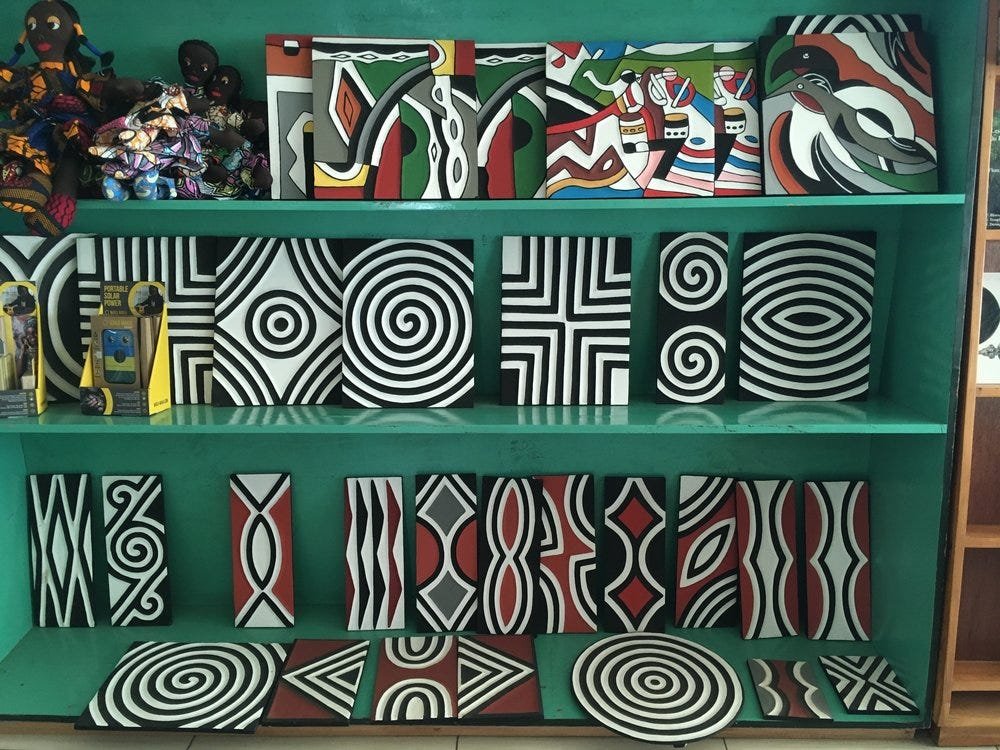
Imigongo Today: From Rural Walls to Global Galleries
What began on mud huts in Eastern Rwanda now hangs in art galleries across the world, from Kigali’s Inema Arts Center to exhibitions in Paris, New York, and Nairobi.
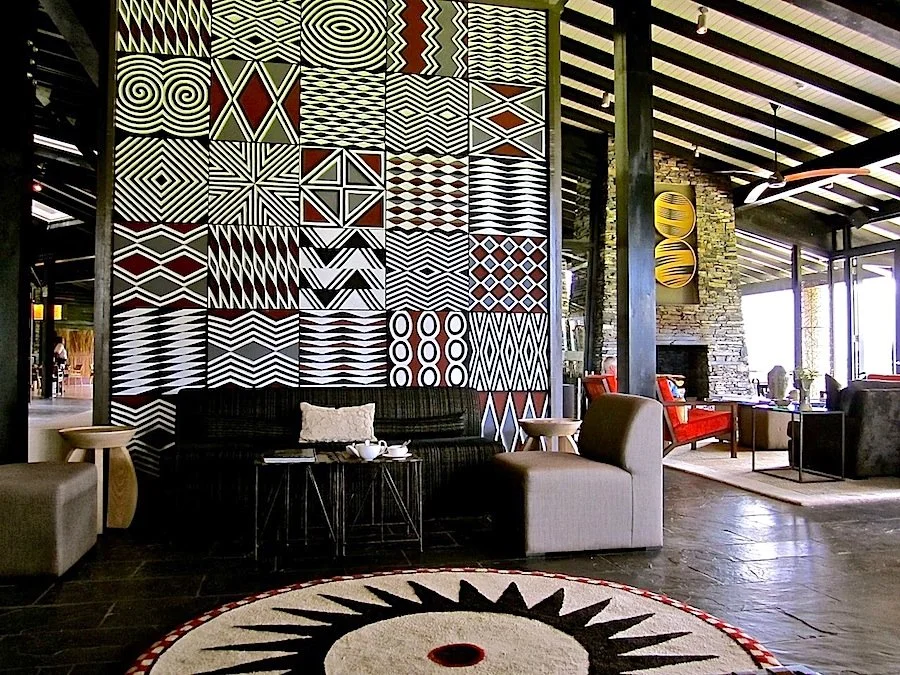
Modern Rwandan artists are reimagining Imigongo on furniture, ceramics, and digital prints, proving that this ancestral art form still inspires innovation.
For young Rwandans, it’s more than cultural nostalgia; it’s a statement of identity:
“We come from a people who made beauty out of what others saw as waste.”
That’s Rwandan pride in its purest form.
How You Can Learn or Experience Imigongo
If you’re ever in Rwanda, visit the Nyakarambi Women’s Cooperative or Kigali’s local art markets to see Imigongo being made.
You can even take short workshops to craft your own piece, a perfect way to connect language, culture, and creativity.
For learners abroad, NKENNE often features cultural lessons like these, where you can learn Kinyarwanda expressions through art and storytelling.
FAQs
1. Is Imigongo still made with real cow dung?
Yes! But it’s cleaned, treated, and odorless. It’s safe to handle and long-lasting.
2. Who practices Imigongo today?
Mostly women artisans in Nyakarambi, though many young artists in Kigali now reinterpret it.
3. What does “Imigongo” mean in Kinyarwanda?
It translates roughly to 'decorations' or 'patterns'.
4. Can Imigongo be learned easily?
Yes, the basics can be learned in a few hours, though mastering the curves and symmetry takes time.
5. Why is Imigongo important to Rwandan culture?
It embodies creativity, resilience, and national pride, turning nature into art and art into identity.
Final Thoughts: Beauty That Breathes Rwanda
Imigongo is more than cow-dung art.
It’s a declaration that nothing in Rwanda is wasted, not even pain.
It reminds us that the same hands that rebuild homes can also create art, that beauty isn’t imported, it’s cultivated from within.
So next time you see those swirling black-and-white patterns, remember:
They’re not just designs.
They’re Rwanda, in motion.